So Close, Yet So Far Away
October 5, 2026 Skye Underwood
What has Auburn fans bothered isn’t that the Tigers lost to Tennessee. It’s how they lost—and how one decision might have changed the outcome.
Trailing 17-14 with 8:07 left in the fourth quarter, Auburn’s offense took over at its own 5-yard line.
1st & 10: Byrum Brown completed a pass to Keshaun Singleton for 10 yards and a first down at the 15.
1st & 10: Incomplete pass.
2nd & 10: Brown completed a pass to Christian Neptune for what appeared to be another first down. Officials marked it a yard short at the 24.
Golesh didn’t challenge the spot because he didn’t want to risk losing a timeout. I thought Neptune clearly reached the line to gain, but overturning the spot would have required a conclusive camera angle. Knowing how Birmingham operates, I wasn’t counting on it.
3rd & 1: Omar Mabson went up the middle for no gain.
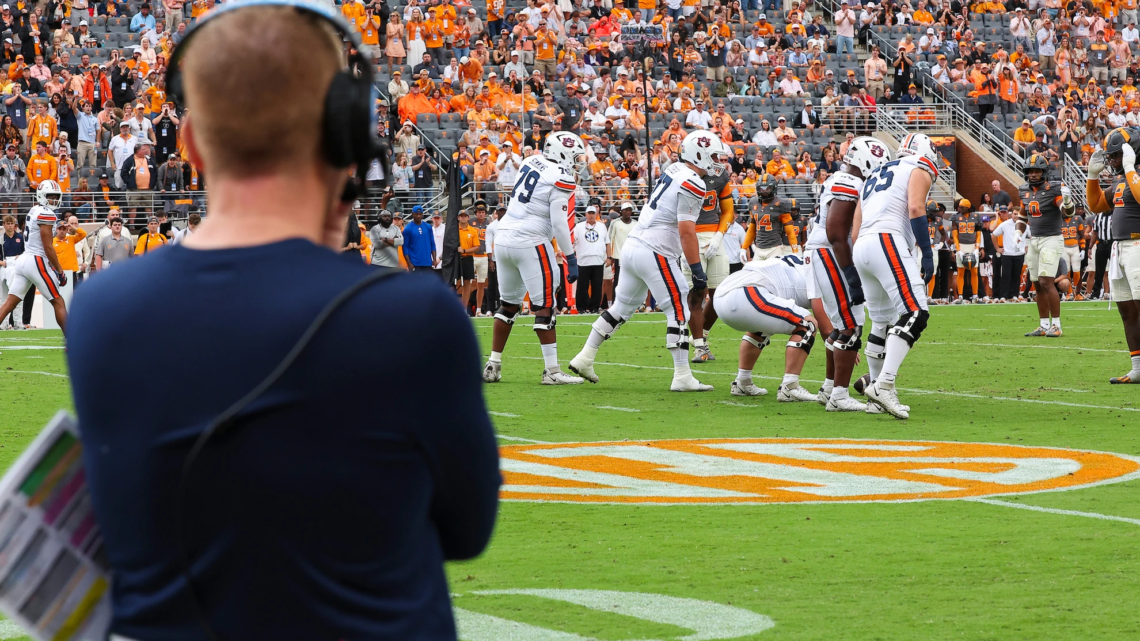
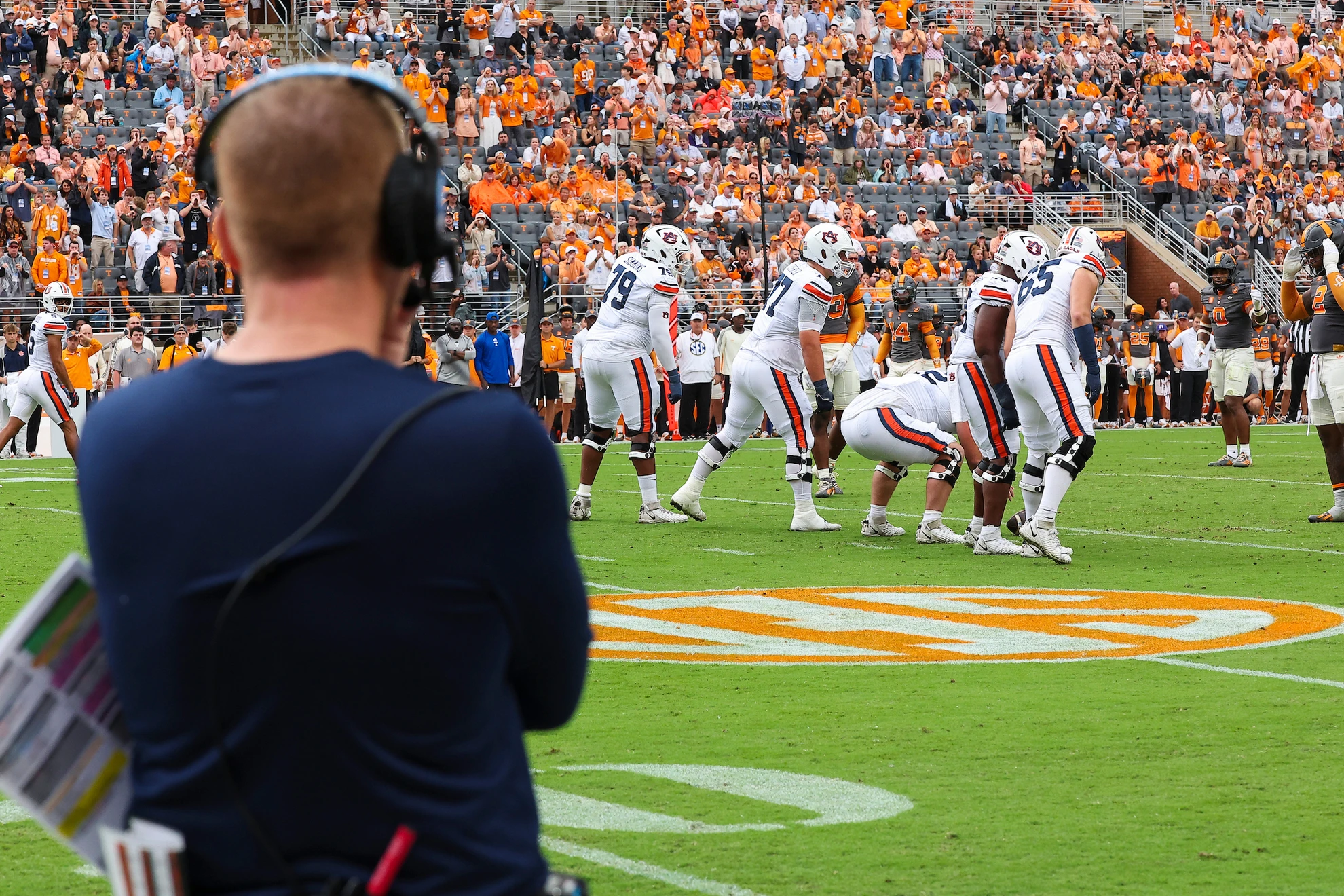
With 6:34 remaining, Auburn faced 4th & 1 at its own 24, still trailing 17-14.
The Tigers brought extra beef into the backfield, essentially signaling a run. Brown lined up under center, took the snap and pitched the ball outside to Jeremiah Cobb, who was immediately stuffed in the backfield.
Tennessee took over deep in Auburn territory and eventually punched it into the end zone to make it 24-14, all but ending the game.
⸻
Pat Dye once said, “Hindsight is 50-50,” but we all got the gist of it.
Hindsight tells you Auburn could have punted with 6:34 remaining and still had a chance to get the ball back trailing just 17-14. That would have required a defensive stop, but there was time.
However, Golesh is a gut-feel coach, and I actually like that about him. Conventional wisdom tells you to punt there, but I can understand wanting to be aggressive.
What I didn’t understand was the fourth-down play call.
In previous fourth-and-one situations this season, Auburn had turned to its 6-foot-3, 235-pound beast of a quarterback. Brown would line up under center, take the snap and run a delayed QB tush push.
It had worked every time.
With the game hanging in the balance, Golesh and offensive coordinator Joel Gordon went away from it.
Against Tennessee’s massive, speedy defensive front, Auburn chose to pitch the ball to a running back out on the peremiter roughly five yards behind the line of scrimmage. The Tigers needed one yard. They called a play that required Cobb to cover considerably more ground just to reach the line to gain.
He never had a chance.
I can live with the aggression. It’s much harder to live with abandoning a short-yardage play that had worked, especially with Brown’s size and strength.
Of course, Auburn shouldn’t have needed that one decision to go its way.
The Tigers committed 11 penalties for nearly 100 yards and turned the ball over three times. Clean up those self-inflicted mistakes, and Auburn could have walked out of Neyland with a dub.
So close, yet so far away.
Auburn fans knew the 2026 roster wasn’t going to match the upper echelon of the SEC in talent. But they believed they would at least see a disciplined team and a coaching staff whose decisions helped give the Tigers a chance to overcome that gap.
Too often Saturday, Auburn made the challenge harder on itself.
The players aren’t the only ones who need to look in the mirror. Coaches own the discipline, the preparation and the decisions made with the game on the line.
A less talented Auburn team had a real opportunity to steal an SEC road win against one of the league’s more talented rosters. It let that opportunity slip away.
Should’ve. Could’ve. Would’ve.
Keep working hard and pressing forward as one, Auburn. The breakthrough is within reach—but reaching it means cleaning up the mistakes and self-inflicted errors that keep getting in the way.